


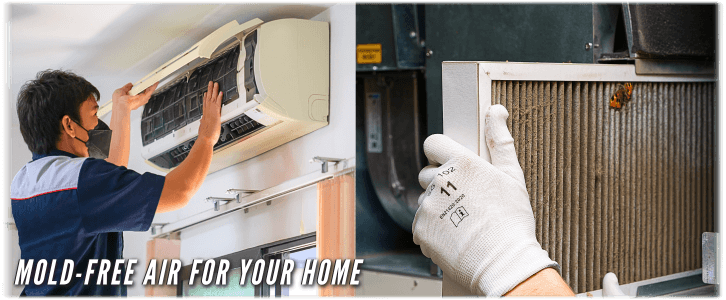
A musty smell from your vents can signal hidden contamination, making professional HVAC mold removal in New York, NYC an important next step. Moisture, dust, and limited airflow may support growth inside accessible system areas. Consequently, odors can travel through several rooms whenever the equipment runs. Call (929) 661-6517 today to schedule a careful evaluation and receive clear recommendations.
Professional HVAC Mold Removal in New York, NYC
Mold may develop near coils, drain pans, air handlers, vents, or accessible duct sections. However, visible staining rarely explains the entire problem.
Our technicians first inspect the affected system areas and look for moisture sources. Then, we explain what we find in straightforward language. Therefore, you can understand the concern before choosing any treatment.
We focus on targeted work instead of applying unnecessary products throughout the system. Moreover, we base every recommendation on visible conditions and accessible components.
Signs Your Home May Need HVAC Mold Removal
A damp or earthy odor often provides the first warning. You may notice it immediately after the cooling system starts.
Dark marks around registers can also suggest contamination. In addition, recurring condensation near the air handler deserves prompt attention.
Some rooms may feel unusually humid or stuffy. Likewise, moisture stains near equipment can point to leaks, drainage issues, or damaged insulation.
An HVAC mold inspection can help locate visible growth and contributing conditions. As a result, homeowners can address the actual source instead of guessing.
How We Treat Mold Around HVAC Components
Every system requires a different approach. Therefore, we tailor the process to the equipment, contamination level, and available access.
Our work may include mold removal from HVAC systems, targeted surface treatment, and removal of loose contamination. We may also perform air handler mold removal when growth affects accessible cabinet areas.
If contamination appears near the cooling equipment, evaporator coil mold cleaning may become necessary. Meanwhile, vent mold removal can address suitable register and return areas.
We may use HVAC sanitizing after physical cleaning when the system and affected materials allow it. However, treatment products cannot correct an active moisture source.
Why Moisture Control Matters
Mold can return when condensation, leaks, or poor drainage remain. For that reason, our technicians also look beyond visible growth.
We inspect accessible drain areas, insulation, duct connections, and nearby surfaces. A ductwork inspection may reveal air leaks or damaged materials that collect moisture.
When heavy debris contributes to the problem, we may recommend HVAC cleaning or air duct cleaning. We also offer air duct mold removal, dryer vent cleaning, and other residential air duct services.
Still, we discuss each service separately. Consequently, you avoid unnecessary work and receive a plan that matches your system.
New York Homes Face Unique Mold Conditions
Hot, humid summers keep cooling systems running for long periods. Therefore, condensation may form around cold coils, cabinets, and duct surfaces.
Manhattan apartments often place HVAC equipment inside compact closets or ceiling spaces. Meanwhile, Brooklyn brownstones may contain older insulation and modified ventilation layouts.
Queens, Bronx, and Staten Island homes may use basement or attic systems. These areas can develop hidden moisture after storms, roof leaks, or seasonal temperature changes.
We serve Chelsea, Harlem, Astoria, Forest Hills, Park Slope, Williamsburg, Riverdale, Great Kills, and nearby neighborhoods. Our coverage includes ZIP codes 10001, 10025, 11101, 11201, 11215, 11375, 10463, and 10308.
Honest Guidance From a Careful Local Team
Possible mold can create understandable concern. Therefore, we explain the findings calmly and avoid exaggerated claims.
Our technicians protect nearby surfaces, respect your property, and keep the work area organized. Furthermore, we separate urgent concerns from optional improvements.
You receive practical answers and clear next steps. As a result, you can make an informed decision without pressure or confusing technical language.
Frequently Asked Questions
What causes mold around HVAC equipment?
Condensation, clogged drains, leaks, dust, and high humidity can support mold growth. Damaged insulation may also keep system areas damp.
Can HVAC mold return after treatment?
Yes. Mold may return when the original moisture problem remains. Therefore, effective treatment should also address drainage, humidity, or insulation concerns.
Do you provide HVAC mold treatment throughout New York City?
Yes. We provide HVAC mold removal in New York, NYC throughout Manhattan, Brooklyn, Queens, the Bronx, Staten Island, and surrounding communities.
Do not let musty odors, moisture, or visible growth spread through more system areas. Call (929) 661-6517 now for prompt scheduling, targeted treatment, and honest local guidance. Protect your comfort before the problem worsens with professional HVAC mold removal in New York, NYC.